Worth a listen

Laurence Packer, a professor at York University, whom I met during the Bee Course in 2013 was interviewed on Fresh Air.

He talks about the importance of bees, why domesticate honeybees are threatened and also about how you can help promote bees in your backyard. It’s definitely worth a listen!

I read a bit of his book “Keeping The Bees: Why All Bees Are At Risk And What We Can Do To Save Them” and it looks pretty interesting! My favorite part from the excerpt is: 

Certainly the loss of all bees would result in catastrophic cascades through the terrestrial ecosystems of the world. If many of the flowering plants were to disappear, the other species that rely upon those plants would also be in trouble. How many squirrels would there be without the nuts that result from pollination by bees? How many songbirds would there be without the berries that result from pollination by bees? No squirrels and no songbirds means no predators that eat the squirrels and songbirds. So the impact of bees extends throughout the food web—even to us.


Shocking, yet very true. Save the bees 🙂

Posted in Interesting publications, Interesting read | Leave a comment

Surveying bees in coffee plantations

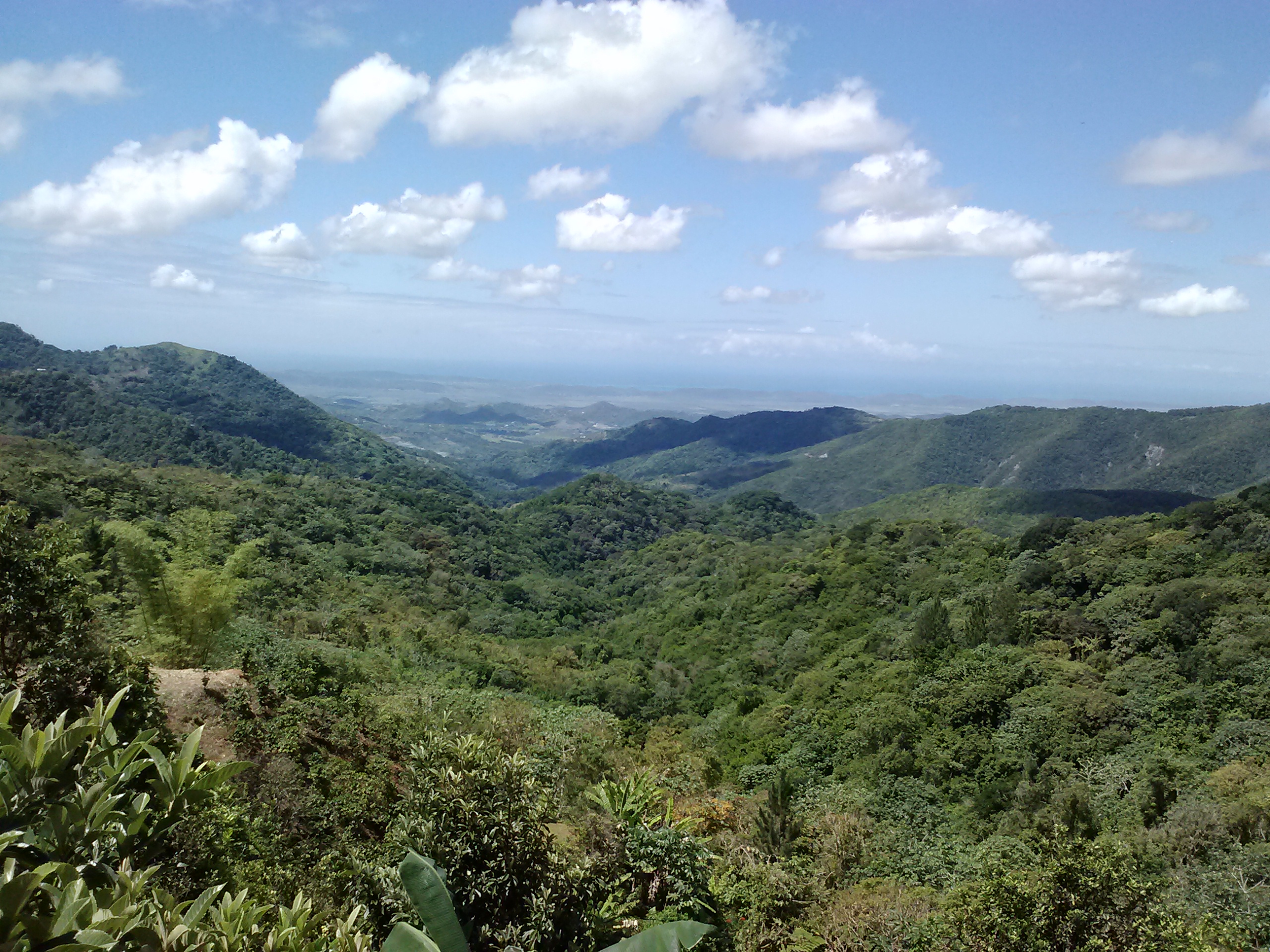
It’s been exactly 1 month since I started my research in coffee plantations in Puerto Rico. This project is similar to the last one, but we’re looking at a few more variables, in addition to agricultural practices. Specifically, we’re surveying bee abundance and diversity in sun and shade coffee plantations as well as ‘natural’ forested sites. We’re also accounting for the sites’ elevations as well as temperature and relative humidity. This information could be used to predict impacts of climate change on bee populations throughout the island. This past month I’ve had the opportunity to meet countless coffee growers and enjoy the beautiful views that they see on a daily basis. Since most coffee plantations are located at high elevations, the views are fantastic. From one farm, we can actually see all the way to the ocean!

Image

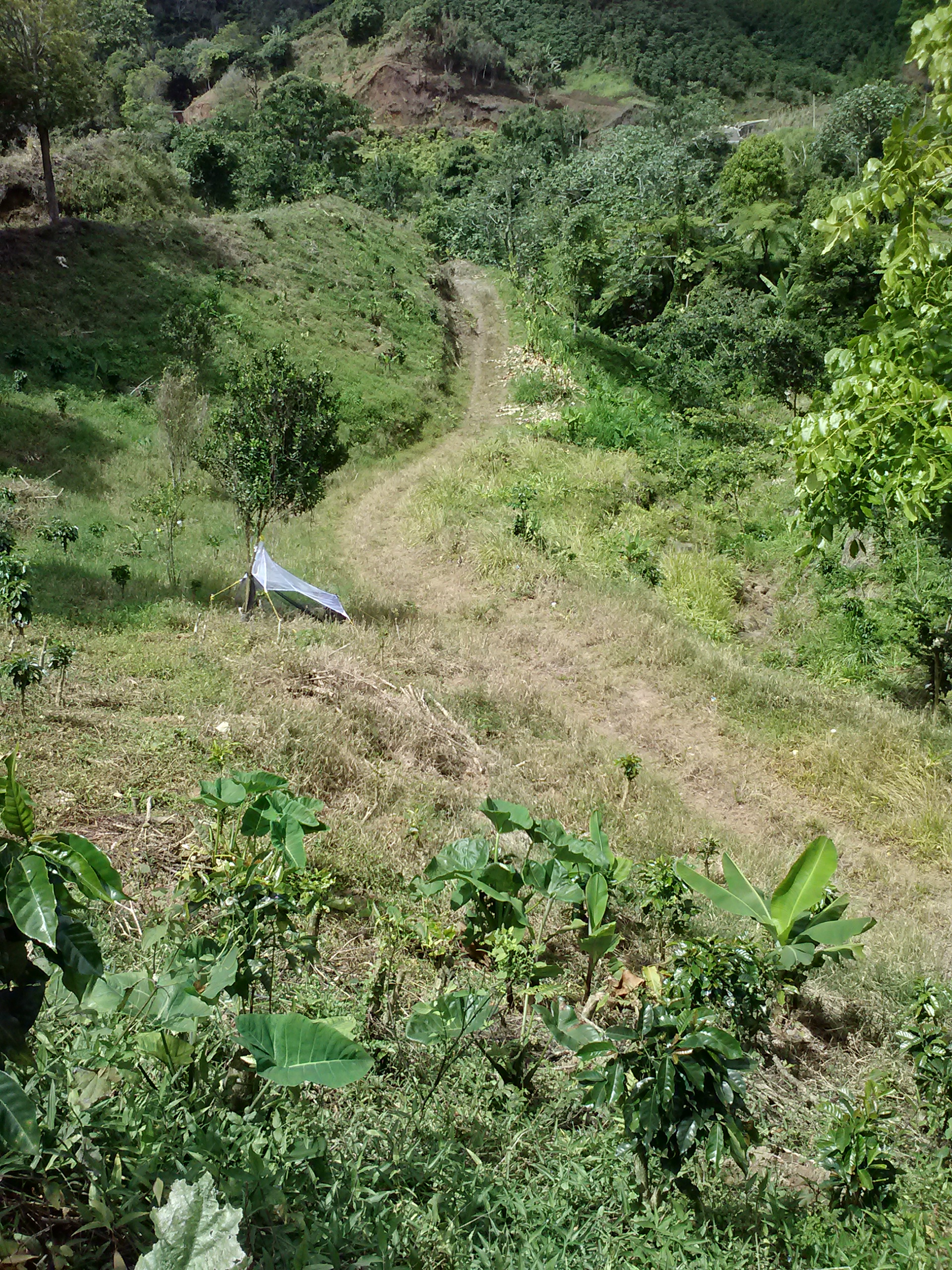
In addition to enjoying the views, I’ve been able to set up malaise traps and bee bowls at twelve survey sites. It’s so exciting to see my malaise trap once it’s set up! Malaise traps are a wonderful survey tool since they ‘catch’ flying insects, and guide the insects toward a jar filled with liquid in which they are eventually trapped and drown. Here you can see a malaise trap in a sun coffee plantation.

  Image

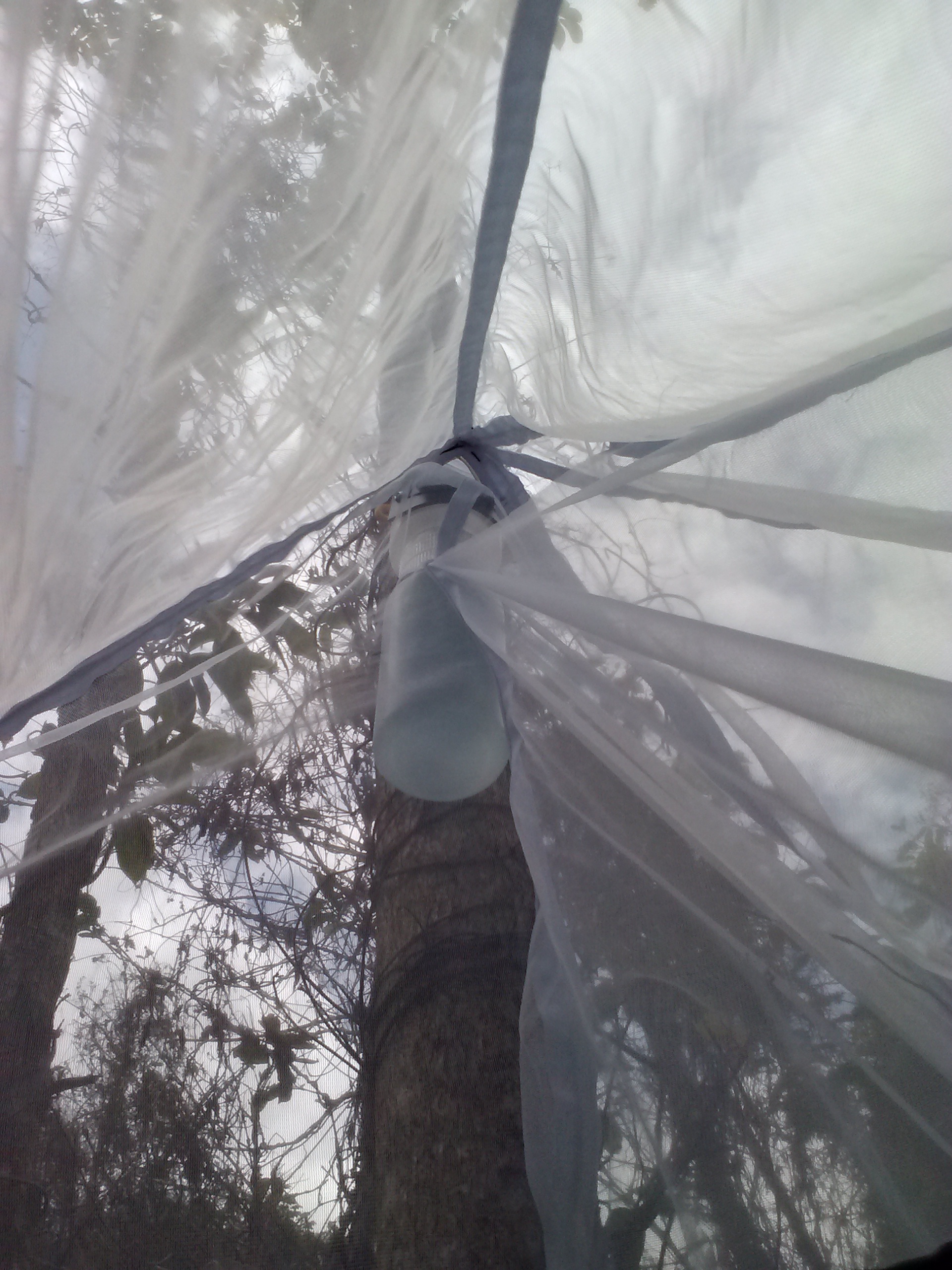
Here’s the view from inside the trap. Bees are phototactic, meaning they move towards light sources. Once they’re in the trap, they fly up towards the light, and get stuck in the jar.

 Image

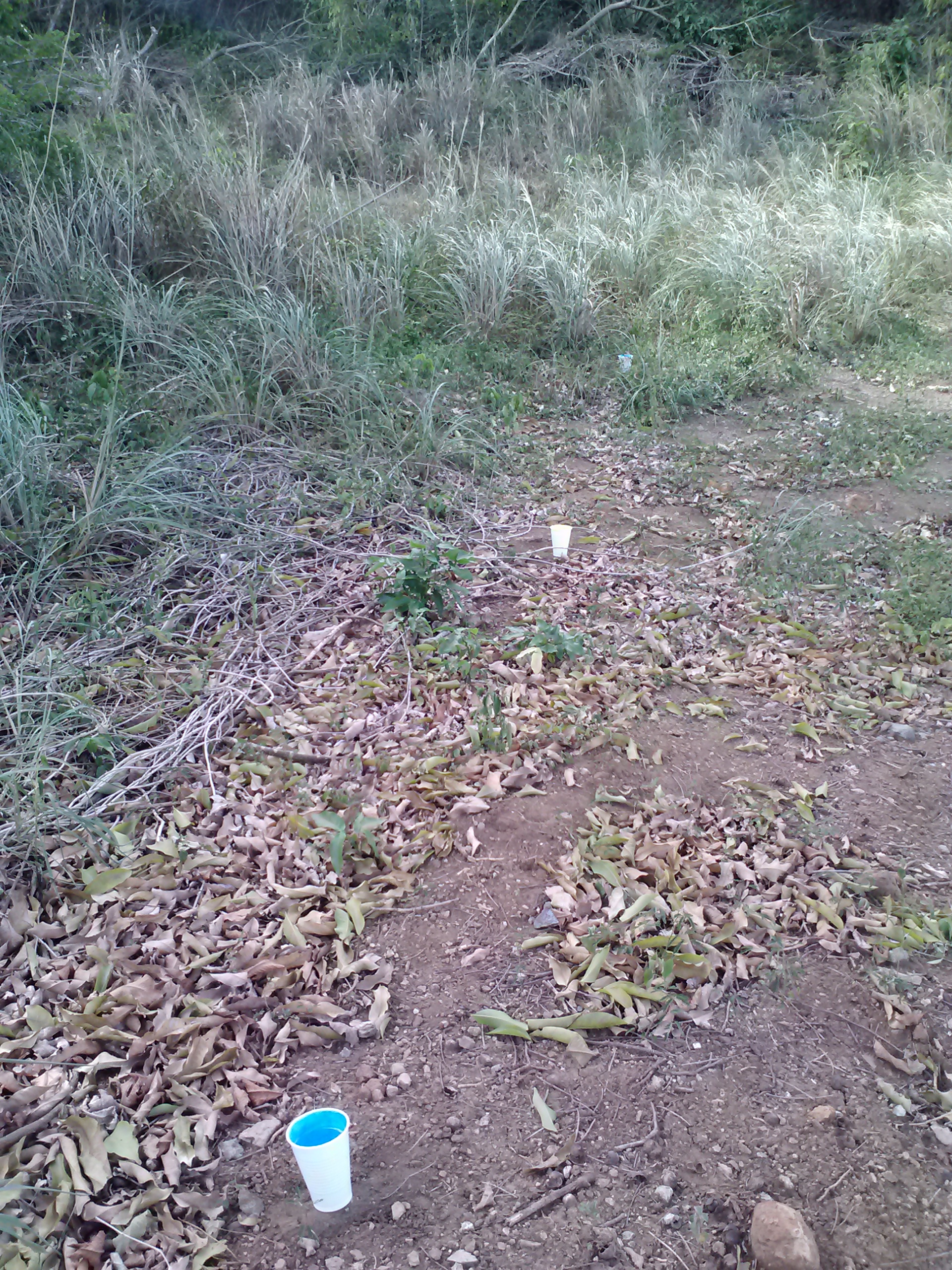
I’ll be leaving the traps out for year, collecting the insects from the liquid once a month. Hopefully this data will allow me to see differences in bee diversity over the year (wet vs dry season) and from site to site.  In addition to the malaise traps, I’m setting up 12 oz bee cups, which are painted yellow, white and blue. They’re filled with the same liquid as the malaise trap jar: 50% propylene glycol, 40% water, 10% formalin (to make it taste bad and prevent animals from drinking my liquid). I’m setting some at ground level and hanging some up in trees to see if capture rates differ. After this year, I’ll fine tune my collecting methods and select the most efficient ones for next year’s survey.

 Image Image

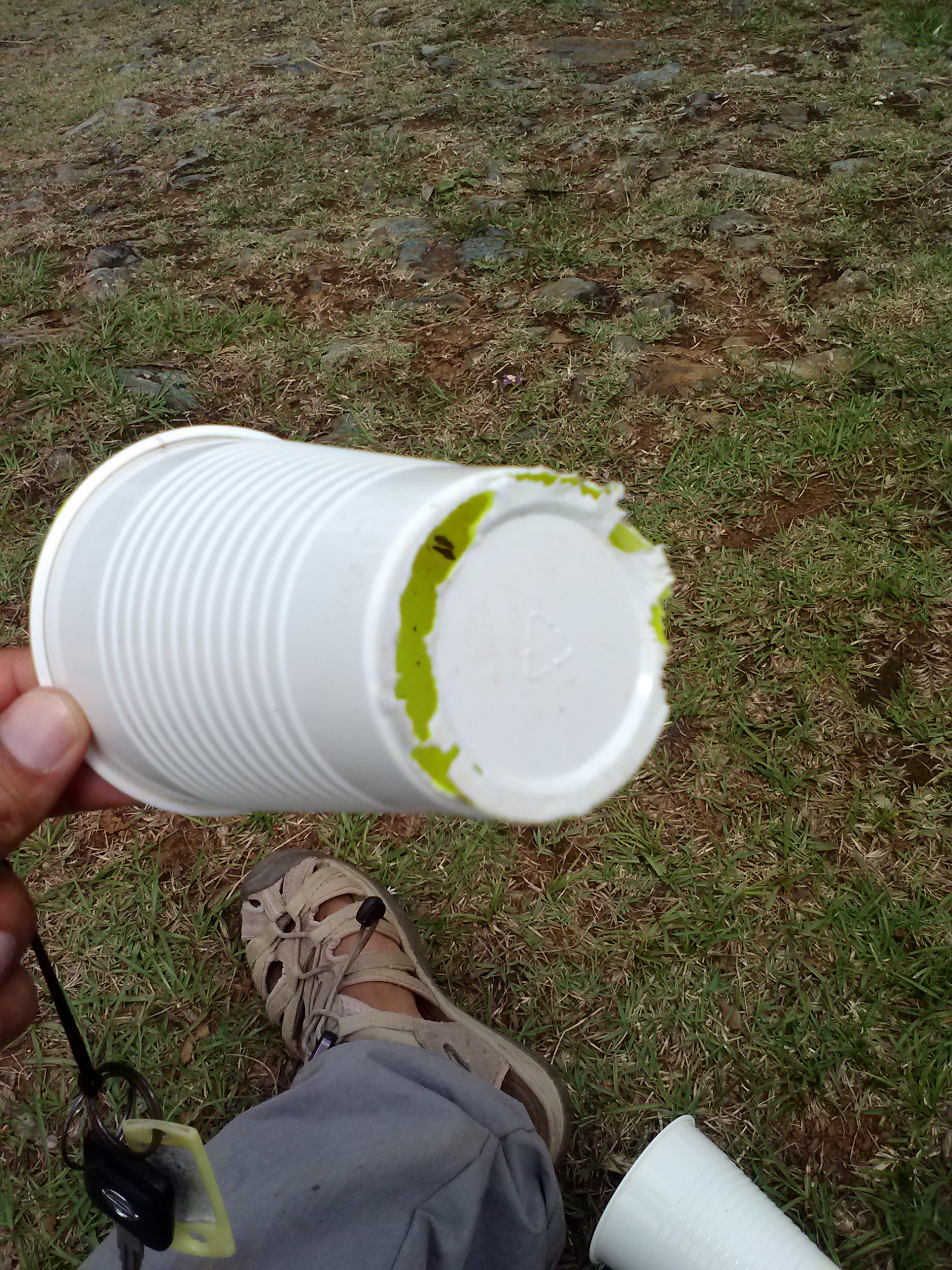
So far things have been going so-so. One of my traps was pretty much ripped off the ground by one of the farm workers. I don’t think they realize this tent-like trap is worth $250! Anyways, they must have been clearing the area, and had to remove it. They tried to put it back, but it was all crooked. So when I went back to check on my traps, I had to fix it. Fortunately, that’s only happened at one site. In addition to my traps being removed, I’ve got a small rodent problem, which is affecting my bee bowls. Either rats, mice or mongoose have decided that my plastic cups are tasty. They knocked over the cup, and ate the bottom of it. Evil little animals, ruining my survey

Image

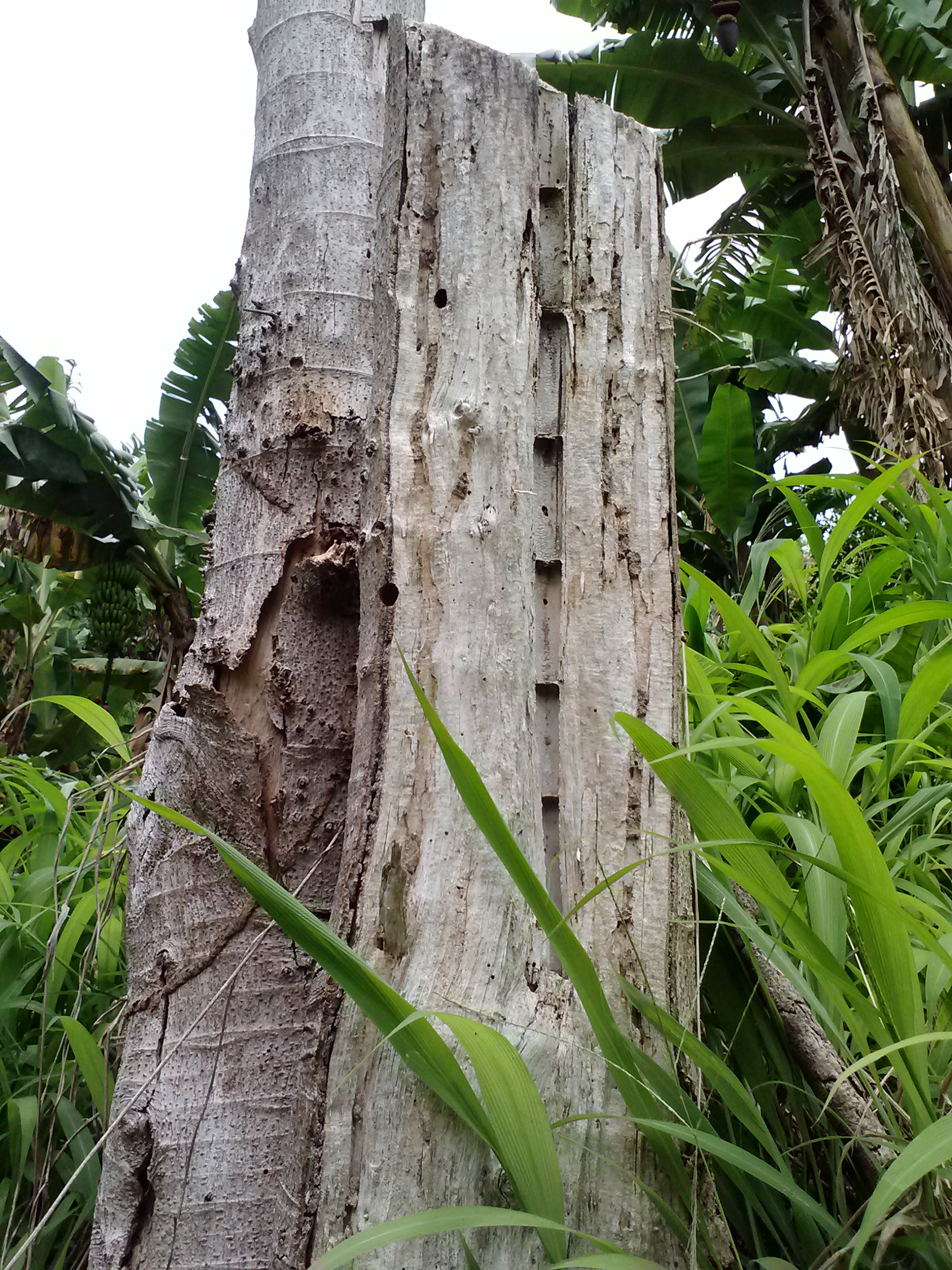
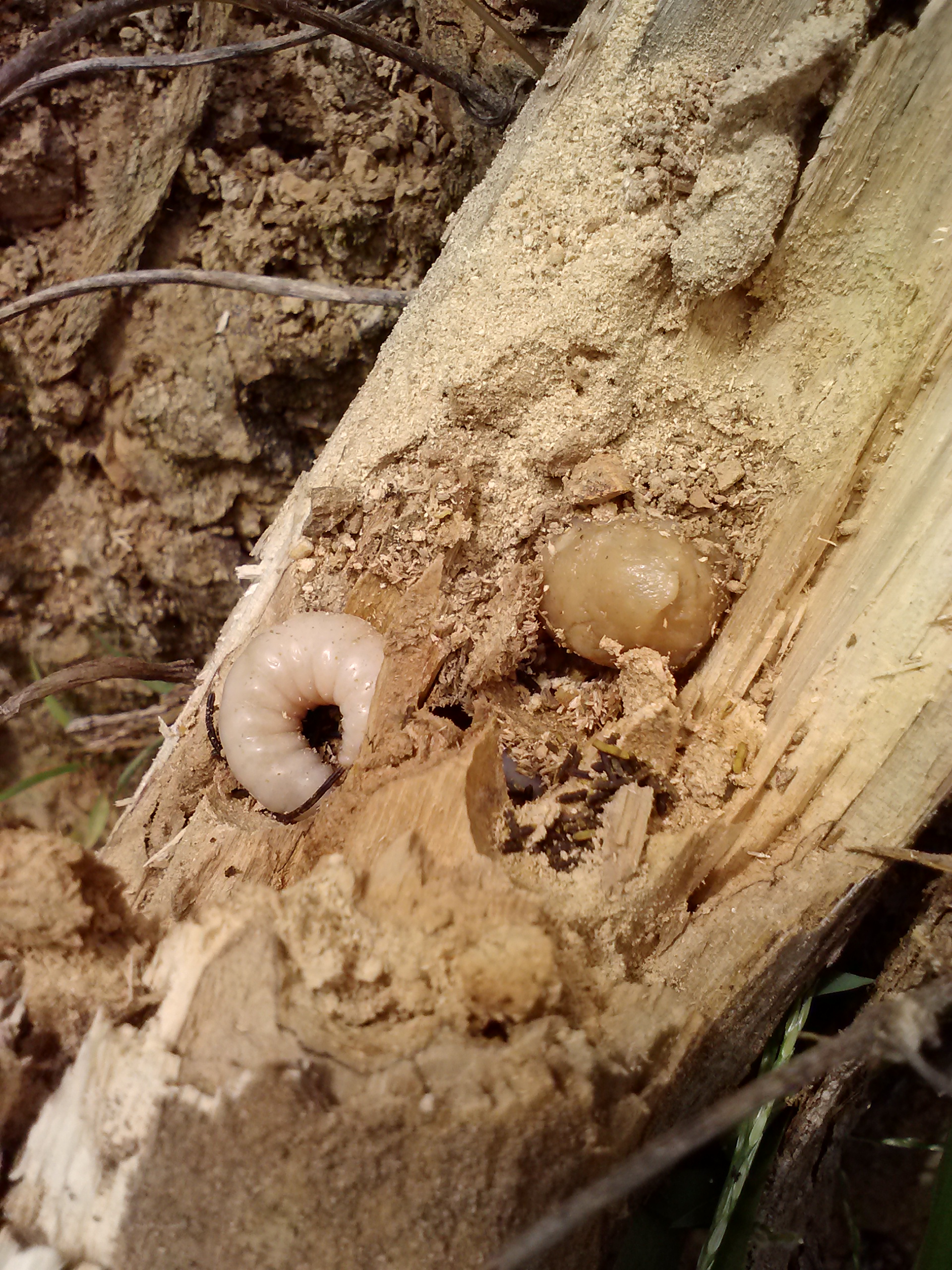
This week I’ve started sweep netting in the farms to see if my traps might be missing any bees. Yesterday, my friend and I stumbled upon a few carpenter bee nests. The carpenter bees bore holes into dry, dead wood and create little cells in which they lay their eggs. Along with each egg, they leave a sweet ball of pollen and nectar. I broke one nest open to show my friend what they look like inside. Fortunately I only disturbed one little larva.

ImageImage

On the top you can see the holes through which the bees fly in AND you can see an old nest that must have been split open, since you can see all the brood cells. The bottom image is of the larva and it’s pollen-nectar ball.

This month I have to set up another 12 traps in the center of the island and then collect my first batch of data. I’ll try and sweep net as much as I can, also. Once that’s done I’ll head back home and have a technician collect my insects, while I’m there. I’ll be back in PR in another 3-4 months to see what goodies I’ve collected.

🙂

Posted in Bee pictures, Bee sightings, Exploring new places, New Life Experiences | Leave a comment

Moss Experiment

So this post is going to be a little bit out of the ordinary since I’m not going to talk about insects. I hope I don’t lose any fans over this 🙂

I live in Raleigh, North Carolina, in an older neighborhood filled with loblolly pine trees. These trees, along with many of the larger and older oak, maple and magnolia trees give the area a lot of character, but they also produce a lot of shade. Unfortunately this, in addition to the high soil acidity levels associated with loblolly pine trees, make grasses nearly impossible to grow in our backyard.

Recently I started looking into grass alternatives and stumbled upon this interesting blog. I also found a great NY Times article from 2008, which completely convinced me to try and grow mosses in our backyard instead of wasting money, water and time on trying to grow grasses. For those of you who’s curiosity has peaked, please take a look at this page on how to grow mosses, from Moss and Stone Gardens’ blog. I found it very informative.

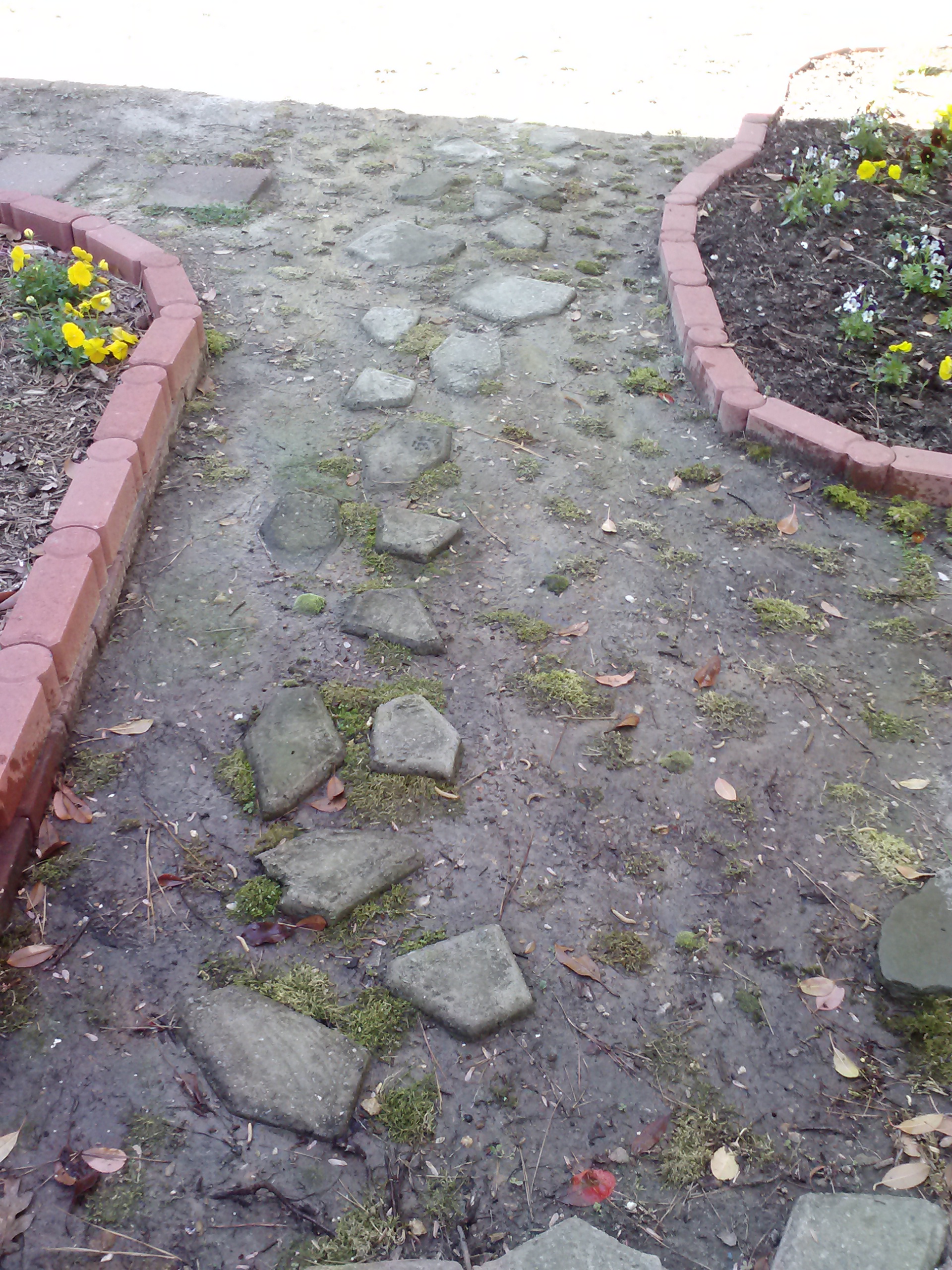
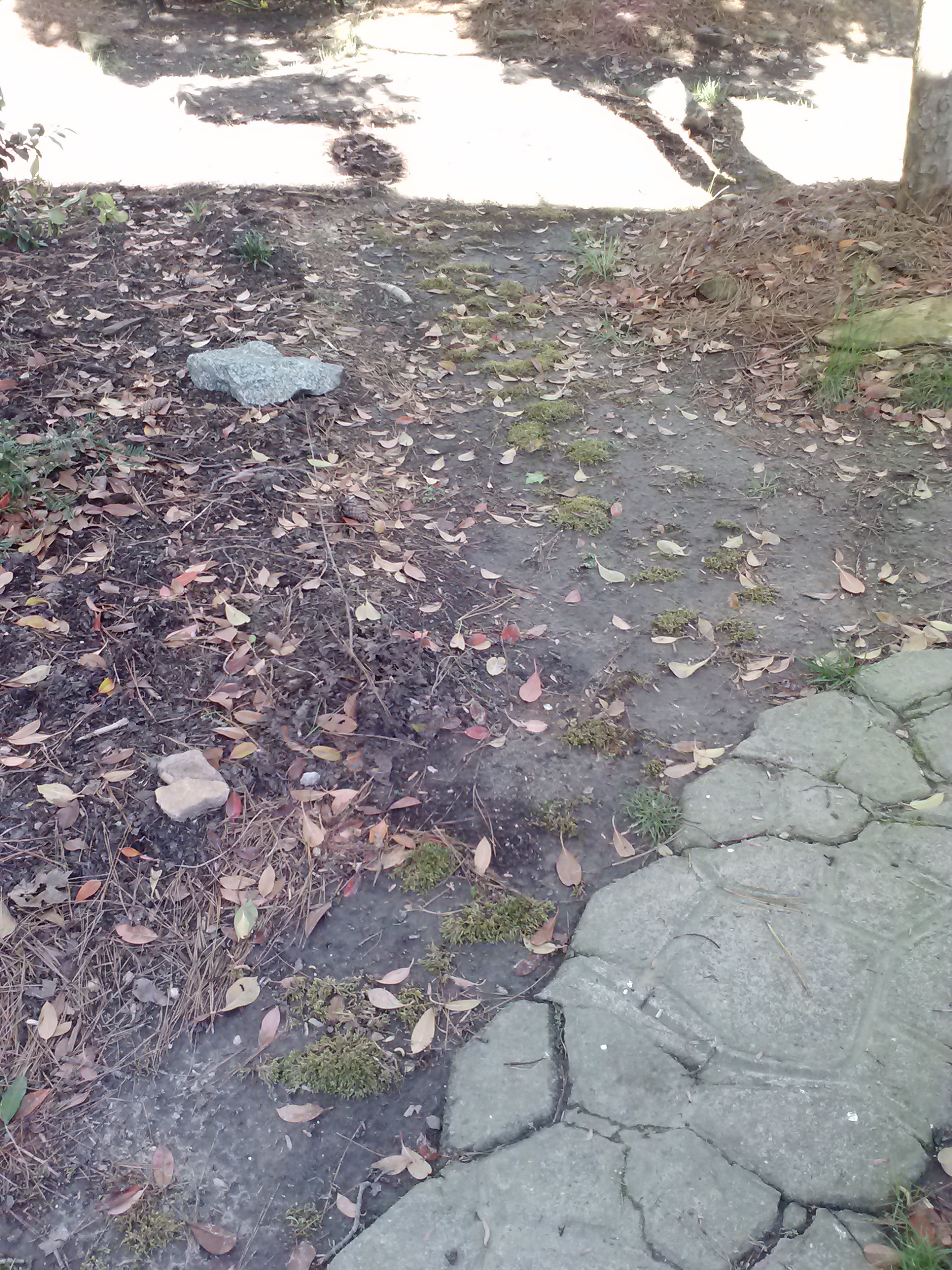
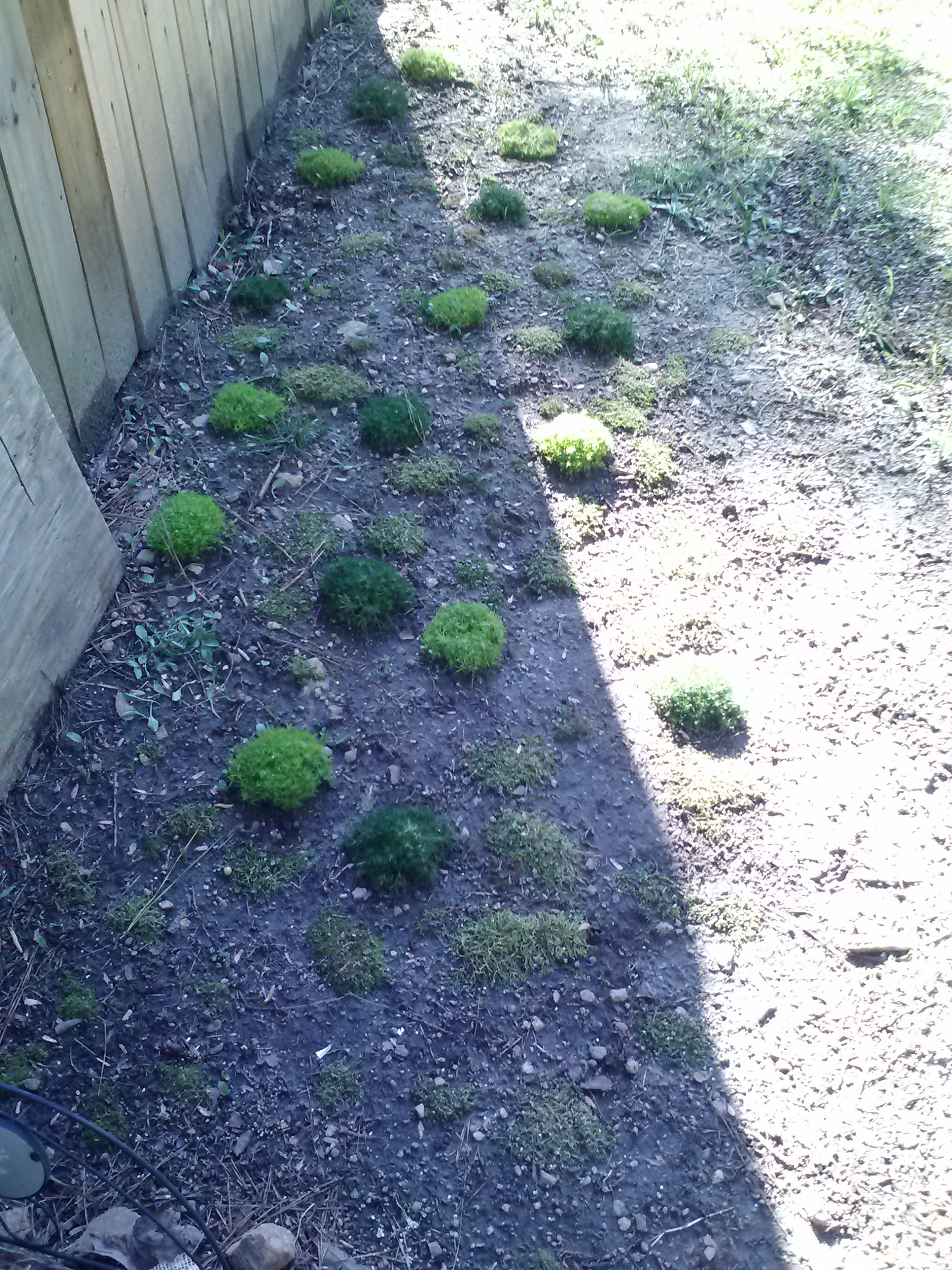
Over the past month I’ve gathered mosses from pretty much everywhere (although tempting, remember that you’re not allowed to pick any plants from your state parks – make sure you’re not breaking the law!). I’ve spread little pieces around my backyard (as shown here), and have actually noticed some growth! They’re slow growing, but it’s nice to see that I’m doing something right. I’ve got a rain barrel in my backyard, and I’ve been using that to water the mosses on a daily basis. I think the frequent watering is helping them get established, so I would suggest showing them some love after you first place them on the ground.

For those of you who are starting to read up on moss propagation, you may stumble upon ‘moss milkshakes‘. This is basically a blend of either yoghurt or beer with moss that you’ve collected. I’ve read good and bad things about this. I decided to give it a shot and I’m not sure how efficient it really was, but I think I succeeded with this method. Note: If you have a dog that is allowed to roam around your backyard, keep an eye on them. My dog went straight for the yoghurty mix.

Anyways, I’ve decided to document this experience so that I can keep track of how long it takes for my mosses to spread. Also, I’m hoping that those of you having problems growing grasses will just give up and opt for this more sustainable ground cover.  🙂

I’ll post pictures on a monthly basis.

April 2014

Backyard mosses April 2014

Backyard mosses April 2014

Backyard mosses April 2014

2014-04-16 17.06.33

Backyard mosses April 2014

2014-04-16 17.06.19

Backyard mosses April 2014

2014-04-16 17.05.49

Backyard mosses April 2014

2014-04-16 17.06.07

Backyard mosses April 2014

Backyard mosses April 2014

Backyard mosses April 2014


Stay tuned!

Posted in Interesting read, New Life Experiences | Tagged , , , , , , , | Leave a comment

Check out my ant page

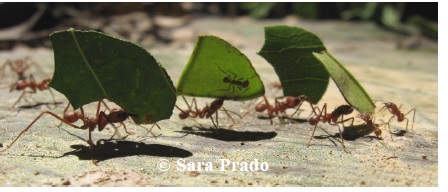
Watchful little leaf cutter ant sits on a leaf while the worker ants carry the leaves to the nest. This little ant keeps an eye out for a parasitic fly that can lay eggs in the workers head, eventually decapitating them.

Watchful little leaf cutter ant sits on a leaf while the worker ants carry the leaves to the nest. This little ant keeps an eye out for a parasitic fly that can lay eggs in the worker’s head, eventually decapitating them.

Back in 2009, I was a resident naturalist at a lodge called Inkaterra Reserva Amazonica. There, I was able to observe many of the fascinating ant species found around the lodge. My responsibilities there included locating ‘good’ ants (i.e. ants tourists might like to see and learn about) and also writing up short articles to give to the tour guides working at the lodge. I also taught them about the ants in weekly classes.

Just recently, my friend Emily Meineke asked me to review a blog post she’s writing about insect-fungus interactions, and it reminded me about the work I did back in 2009. So, I dug up all the reports I wrote, and decided to make use of them, and post them on my blog.

As a disclosure, I cannot guarantee that the ant pictures in the articles are properly identified, as I didn’t know how to ID insects back then. To ID them, I observed their nests, their foraging behavior, their host plants and collected a few specimens from the nests. I then searched and searched online to see if I could find a match. So, they may in fact be correctly IDed, but they may not be.

If you have any additional information or if you think I should correct something, I’d be happy to hear from you.

Posted in Exploring new places, Interesting read, New Life Experiences | Tagged , , , , | Leave a comment

Do native bees and honeybees play nice?

A lot of people have asked me about the interaction between native bees and honeybees: do they compete? do they avoid each other? do they disturb each other when foraging? It turns out a lot of ecologists and biologists have had those same questions, so there’s been a large amount of research done on the topic. Unfortunately, results vary with species and studies.

So, to briefly answer your questions, I’ve decided to 1) summarize the information available about honeybee-native bee interactions, and 2) provide you with a list of papers you can read if you want to learn more.

Summary:

On Melastoma affine flowers: Gross and Mackay (1998)  found that honeybees negatively affect native bee fitness. According to the authors, native bees in Australia tend to skip over flowers that are already occupied by other bees. Unlike native bees, honeybees don’t care if the flower is occupied, so they ‘shoo’ the native bee away as soon as they land on the flower. So, if a native bee saw a honeybee foraging, it’d be polite and go find another flower to feed on, but the rude honeybee doesn’t care.

On watermelon: Kremen et al. (2002) found that interactions between honeybees and native bees were rare, but when they did happen, honeybees did not displace native bees more frequently than native bees displaced honeybees. Abundance was also not negatively affected.

On potted mustard plants and small grassland patches: Steffan-Dewenter and Tscharntke (2000) found that even though there was ~45.5% resource overlap, neither species richness of abundance of wild bees was negatively affected by honeybees.

Basically, there’s a lot of conflicting information. I could keep referencing papers, but I suggest you take a look at this review by Paini and Vivian Huryn,  if you’re interested in the topic. Paini reviewed 28 studies investigating the interaction between honeybees and native bees. Huryn looks at interference and exploitative competition.

Based on my observations so far, honeybees are lazy animals. They tend to sit in flowers and can spend over 5 minutes in one. On the other hand, native bees go to a flower, drink and leave in under a minute. So, even if the native bees are displaced by honeybees, I don’t know that the native bees’ fitness would be negatively affected. Also, I’ve seen native bees foraging in flowers with honeybees, so I don’t know if all have the avoidance behavior documented in Gross and Mackay (1998).

In addition to investigating their interactions, a number of studies have determined pollination efficiency of native vs social bees. 

I was just reading a paper by A.lexandra-Maria Klein, Steffan-Dewenter, I and Tscharntke, T. (2003) and I had to quote this from their discussion:

The difference in pollination success between these two pollinator guilds could be explained by the following findings: (1) solitary bees switch between plants more often than social bees, thereby offering a higher enhance of cross pollination (Willmer & Stone 1989). (2) Social bees collect less pollen and more nectar than solitary bees and contact the stigma less often (Corbet 1987; Freitas & Paxton 1998). (3) Most solitary bees have longer tongues and therefore make contact with the stigma more often (Corbet 1996). (4) Social, stingless bees often damage flowers, so fruit set may be reduced (Maloof & Inouye 2000; Irwin, Brody & Waser 2001).

I won’t extensively review this topic, but I thought this was interesting. Hope you did too!

References:

Greenleaf, S. S., & Kremen, C. (2006). Wild bees enhance honey bees’ pollination of hybrid sunflower. Proceedings of the National Academy of Sciences of the United States of America, 103(37), 13890–5. doi:10.1073/pnas.0600929103

Gross, C. L., & Mackay, D. (1998). Honeybees reduce fitness in the pioneer shrub Melastoma affine (Melastomataceae). Biological Conservation, 86, 169–178.

Klein, A.-M., Steffan-Dewenter, I. & Tscharntke, T., 2003. Pollination of Coffea canephora in relation to local and regional agroforestry management. Journal of Applied Ecology, 40(5), pp.837–845.

Kremen, C., Williams, N. M., & Thorp, R. W. (2002). Crop pollination from native bees at risk from agricultural intensification. Proceedings of the National Academy of Sciences of the United States of America, 99(26), 16812–6. doi:10.1073/pnas.262413599

Paini, D. R. (2004). Impact of the introduced honey bee (Apis mellifera) (Hymenoptera: Apidae) on native bees: A review. Austral Ecology, 29(4), 399–407. doi:10.1111/j.1442-9993.2004.01376.x

Steffan-Dewenter, I., & Tscharntke, T. (2000). Resource overlap and possible competition between honey bees and wild bees in central Europe. Oecologia, 122(2), 288–296. doi:10.1007/s004420050034

Winfree, R., Williams, N. M., Gaines, H., Ascher, J. S., & Kremen, C. (2007). Wild bee pollinators provide the majority of crop visitation across land-use gradients in New Jersey and Pennsylvania, USA. Journal of Applied Ecology, 45(3), 793–802. doi:10.1111/j.1365-2664.2007.01418.x

Klein, A.lexandra-Maria

Steffan-Dewenter, I.

Tscharntke, T.

Posted in Interesting publications | Leave a comment

Wild bees to the rescue!

Inspired by Buzz, Hoot, Roar‘s idea of making science into cute little cartoons, I decided to give it a shot and draw up my own little cartoon about wild bees.

Note that I’m not an artist, but I think it’s good enough to get the point across! Hope you like it!

Image

Mini-cartoon about why I care about wild bees, and why I think you should too!

Posted in Bee pictures | Tagged , , | Leave a comment

Bee Course 2013: Field trips to Wilcox and hiking the Chiricahua mountains

So, I’ve been on a couple of field trips since my last post…sorry padres for not updating sooner.

On Saturday, we had an optional field trip, so some people decided to hike Silver peak (turned out to be a survival test as their hike lasted 8 hrs!), other hung out at the field house, and lastly, me and some other people decided to walk around the Chiricahua mountains (crest trail). Wasn’t much bee collecting, since most of the bees were honeybees, but I did take a number of pictures and really enjoyed the sights.

Image

This site had been burned a couple of years ago, and so the dead trees were being cleared.

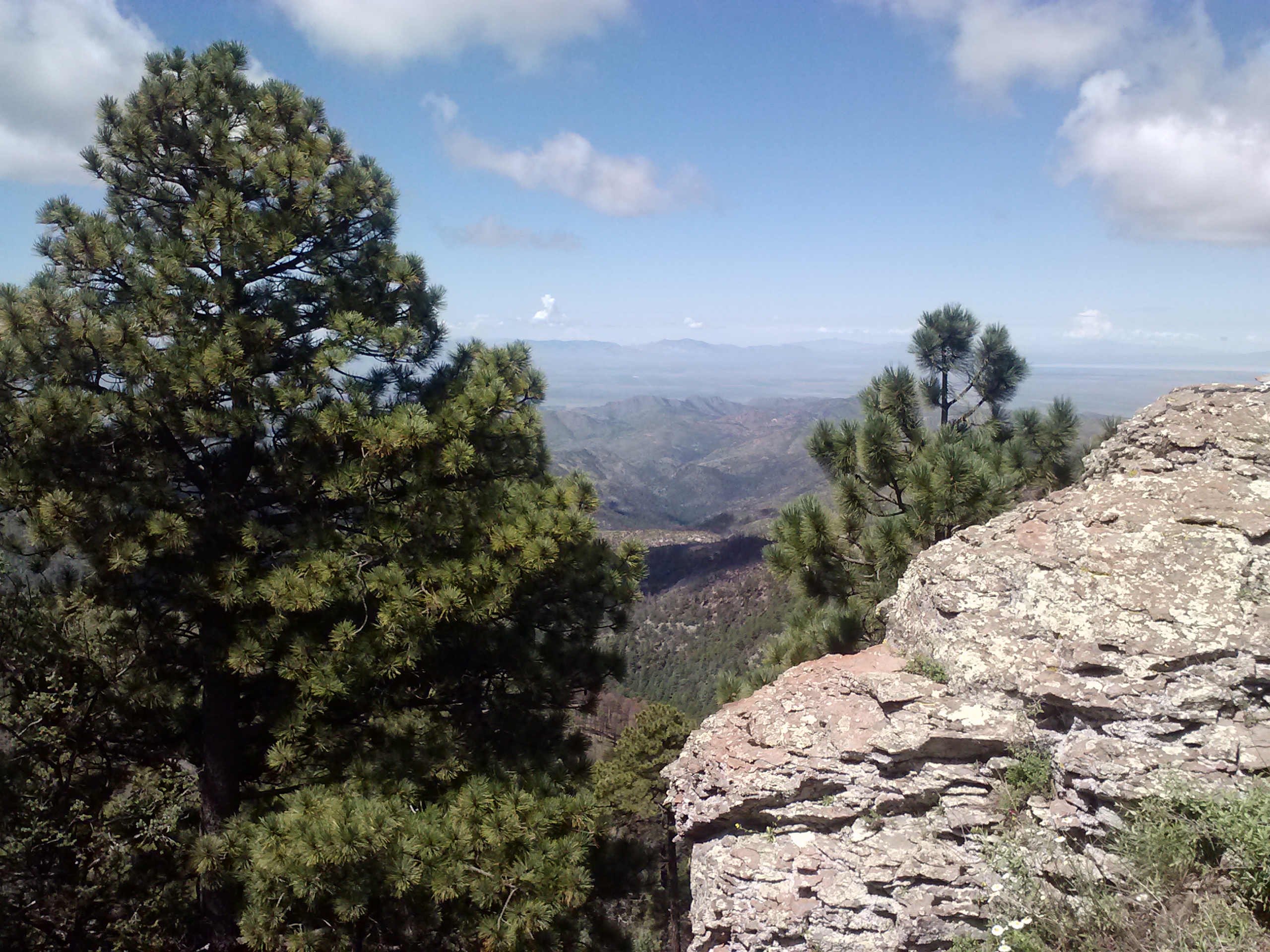
View from the mountain

Gorgeous wildflowers along the path. Unfortunately I was sneezing the whole hike because of them :(
Gorgeous wildflowers along the path. Unfortunately I was sneezing the whole hike because of them 😦

So that was a lot of fun. After that, a few of use took it easy and spent the afternoon in the pool 🙂

Today, we went on our last collection to the desert near Wilcox. It was really hot and there was barely a cloud in the sky, so the bees liked it, but we didn’t so much. Thankfully, we stopped by DQ to get some refreshing snacks.
Here are a few pictures of the field.

Wilcox desert

Wilcox desert

Wilcox desert

Wilcox desert

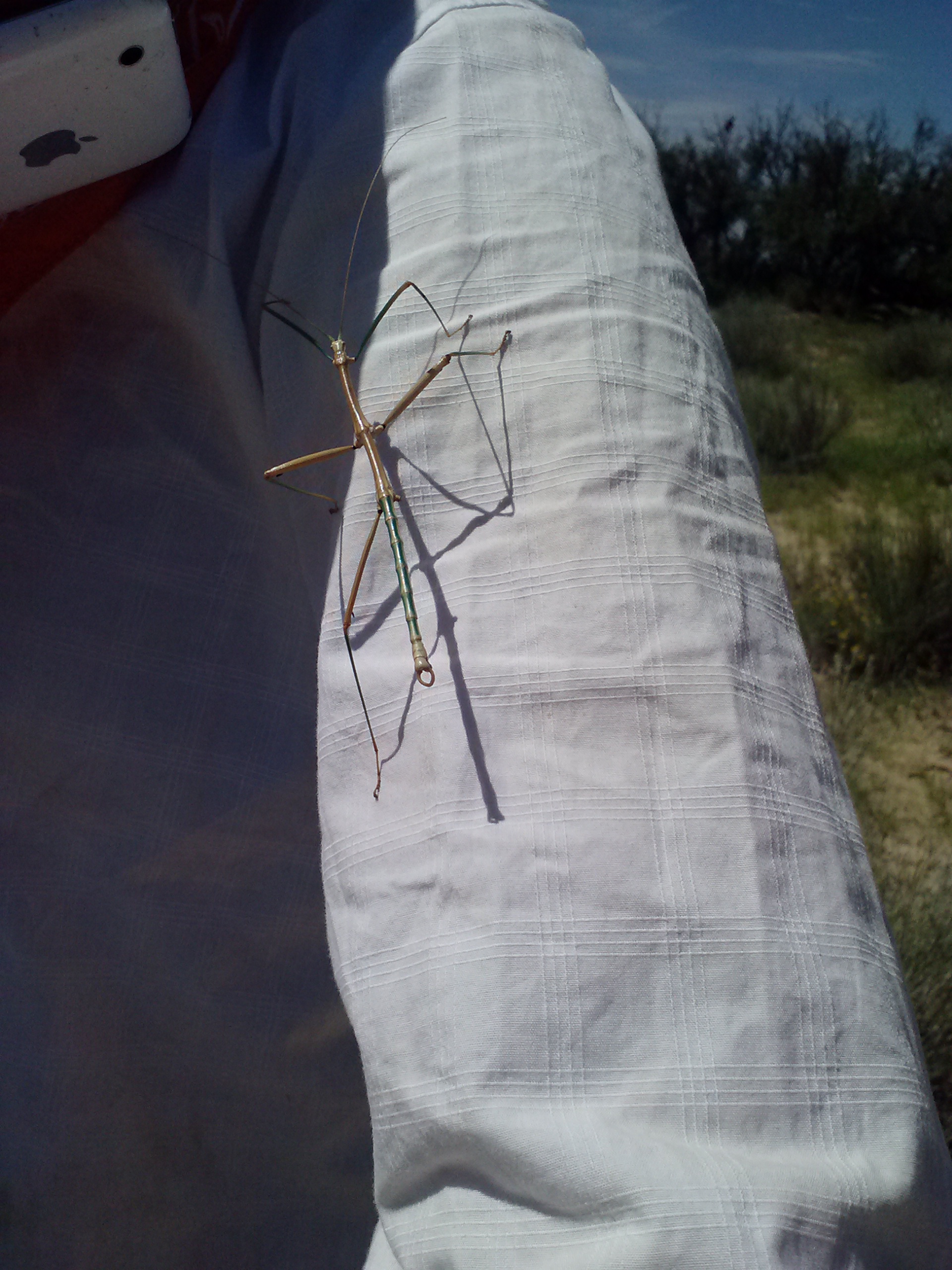
Stick insect

Stick insect

Stick insect on shirt

Stick insect on shirt

Posted in Exploring new places, New Life Experiences | Leave a comment

Bee Course 2013 – Field trip to Animas

Today we went on a field trip to Animas, New Mexico. The day started off a little cloudy, but it cleared off in time to allow us to go to our first site and spend about 45 minutes collecting. Nothing special happened, other than the fact that I collected a Zacosmia bee, which apparently is rare.

Image

Gloomy day in the desert

We went on to another site, 25 miles south of Aminas, and as we finished there and wanted to go to see a bee nest that is commonly shown to students of the Bee course, the rain started. So we turned around, and went East of Aminas. On the drive to our third and final collection site, we saw two or three border patrol officers pulled over on the side of the road. Didn’t see much, but later we found out that a man had been spotted and picked up by border patrol there. He apparently was smuggling drugs into the country, and hadn’t eaten for 2 days. It’s so sad to think about people risking their lives in the middle of the desert, with so many dangerous animals, just for that…

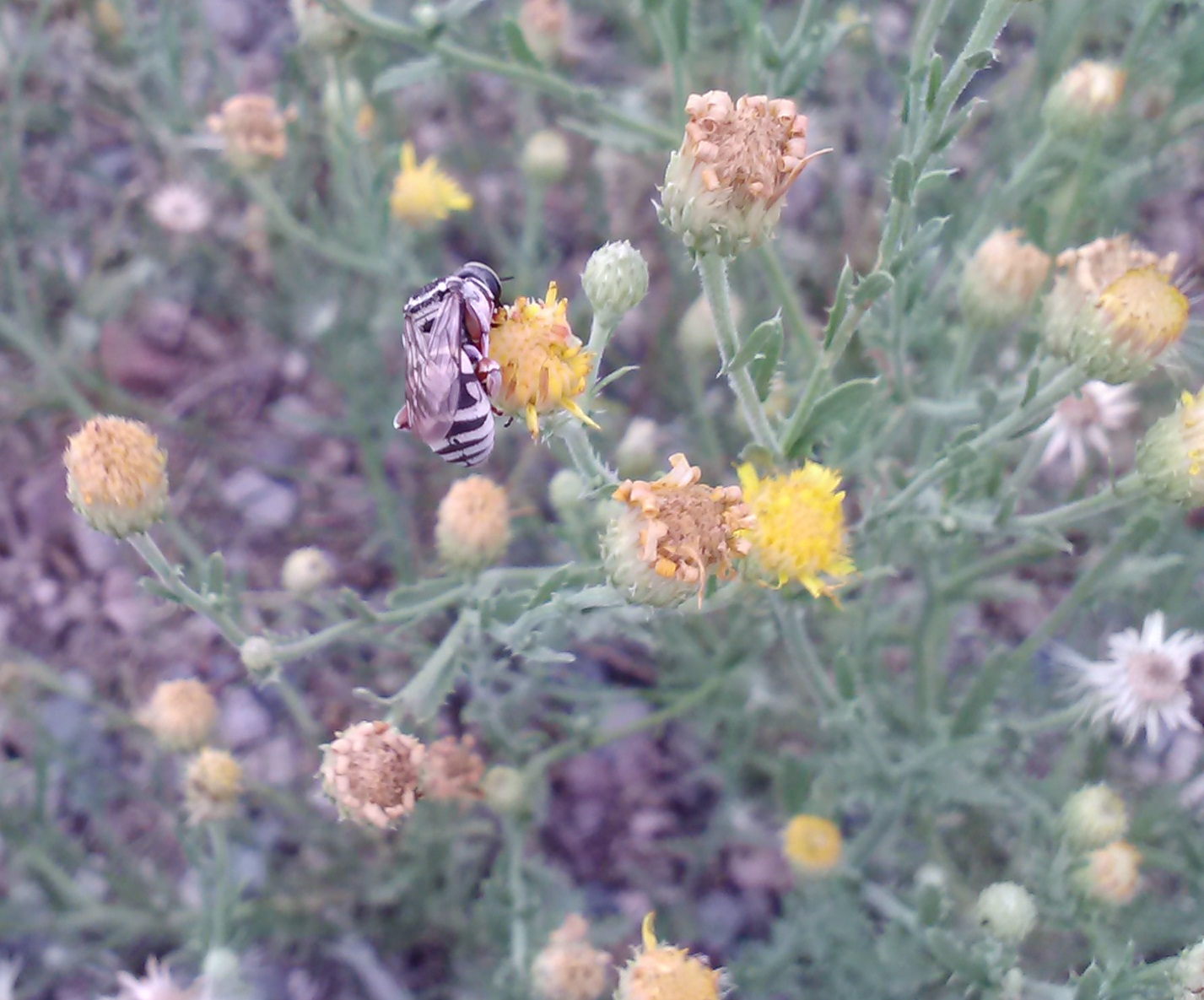
Anyways, at our third site, it was getting cool and late (~2pm) so I was able to take a few nice pictures of bees resting in/on flowers.

Image

Triepeolus snoozing

Image

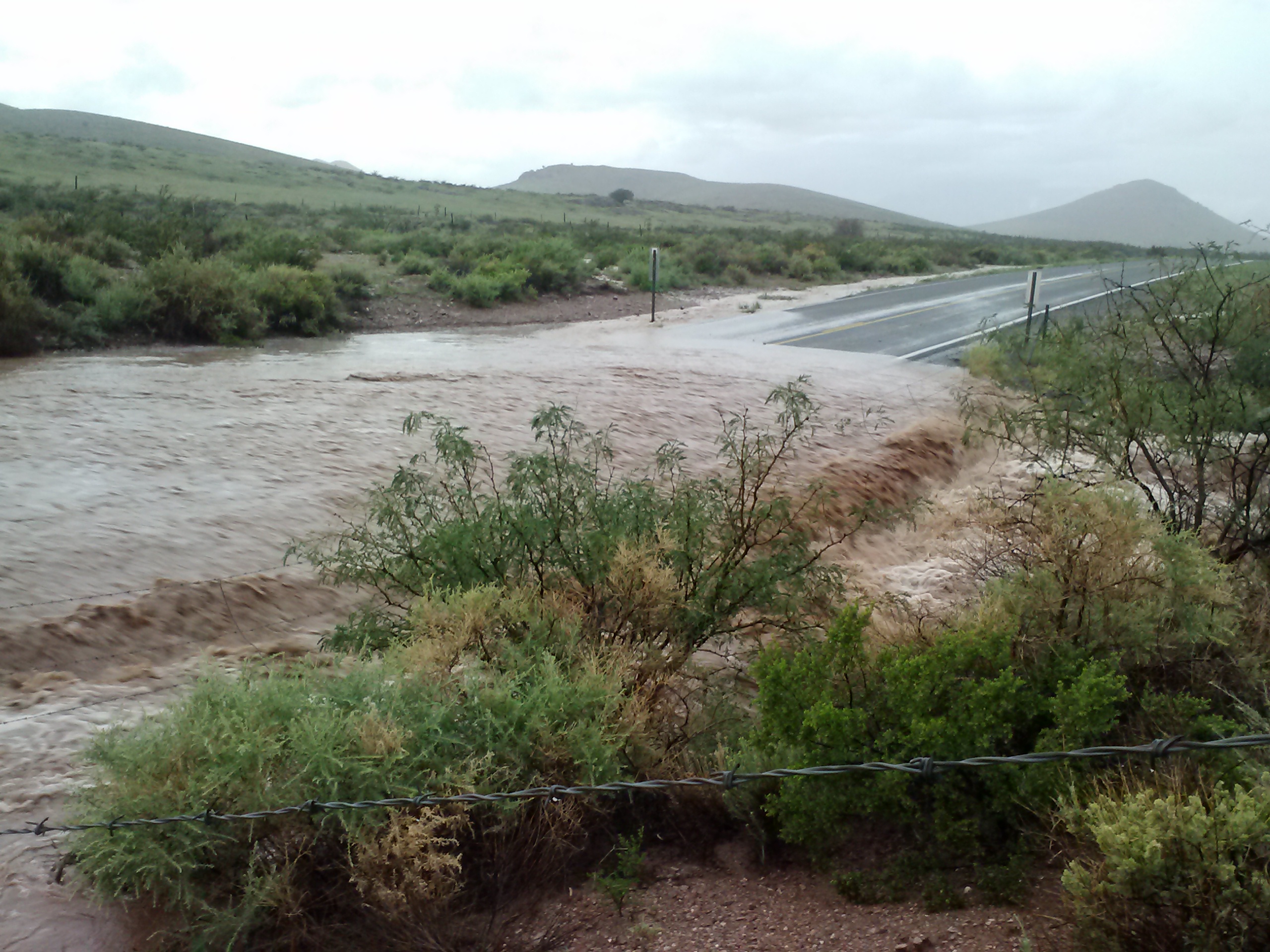
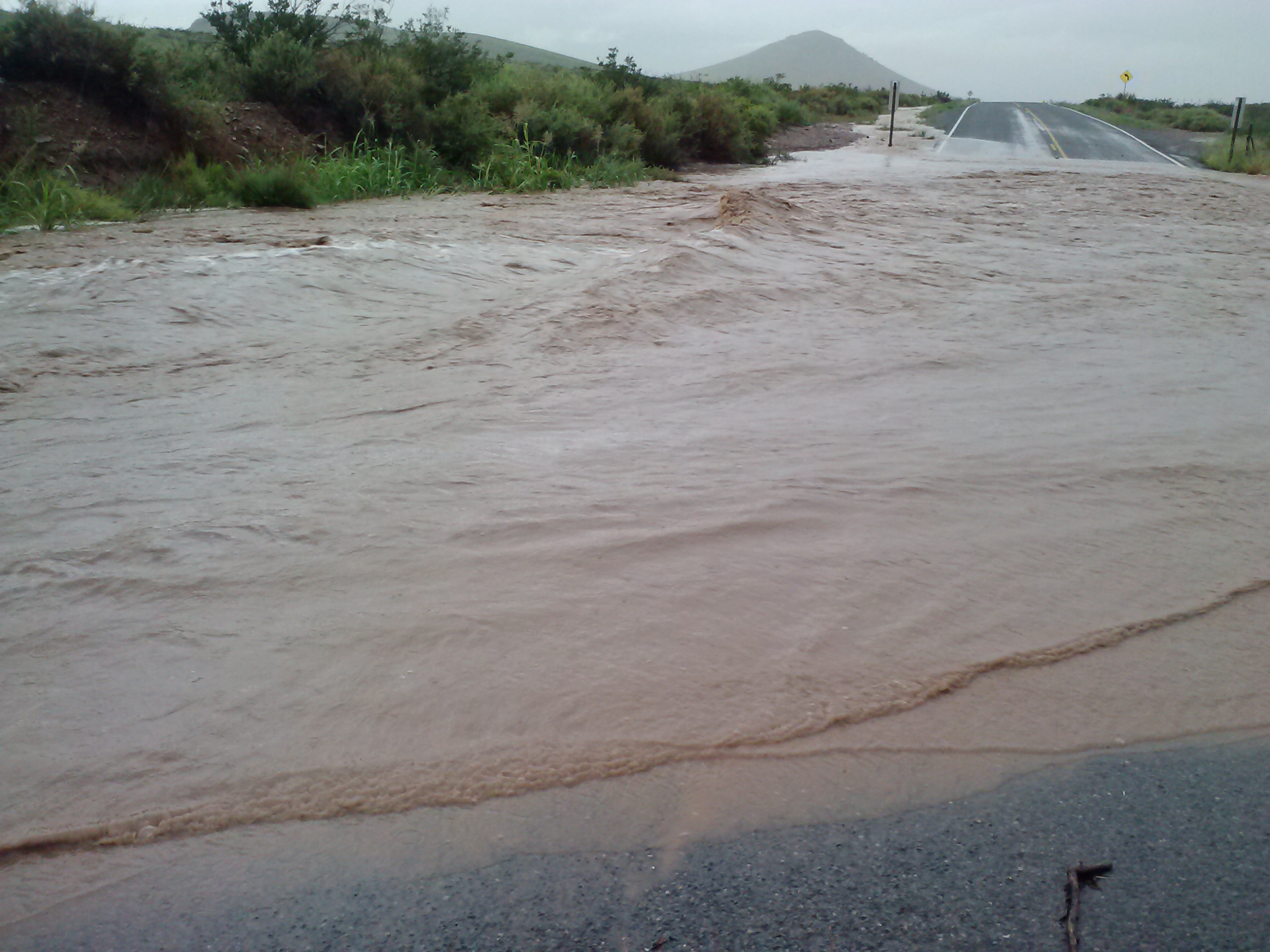
After we finished at our third site, we started our way back to the field house. On our way, we drove into more rain, and eventually got to a dip in the road where there was a flash flood. It’d been raining so much today that the water formed almost a river in the middle of the road. We thought it was pretty cool, so we got out and took some pictures!

Image

Flash flood in the desert

Image

Flash flood in the desert

Image

Flash flood in Animas

We eventually got back into the van, turned around, made a big detour and got back to the field house. 🙂

Posted in Bee pictures, Exploring new places, New Life Experiences | Tagged , | Leave a comment

Bee Course 2013- Douglas field work

Today we had three options of field sites to visit, Wilcox, Douglas and Animas. I chose Douglas because the instructor taking us there, raved about how fantastic this site was for collecting bees. It was pretty fun, but I think the Wilcox group did better…

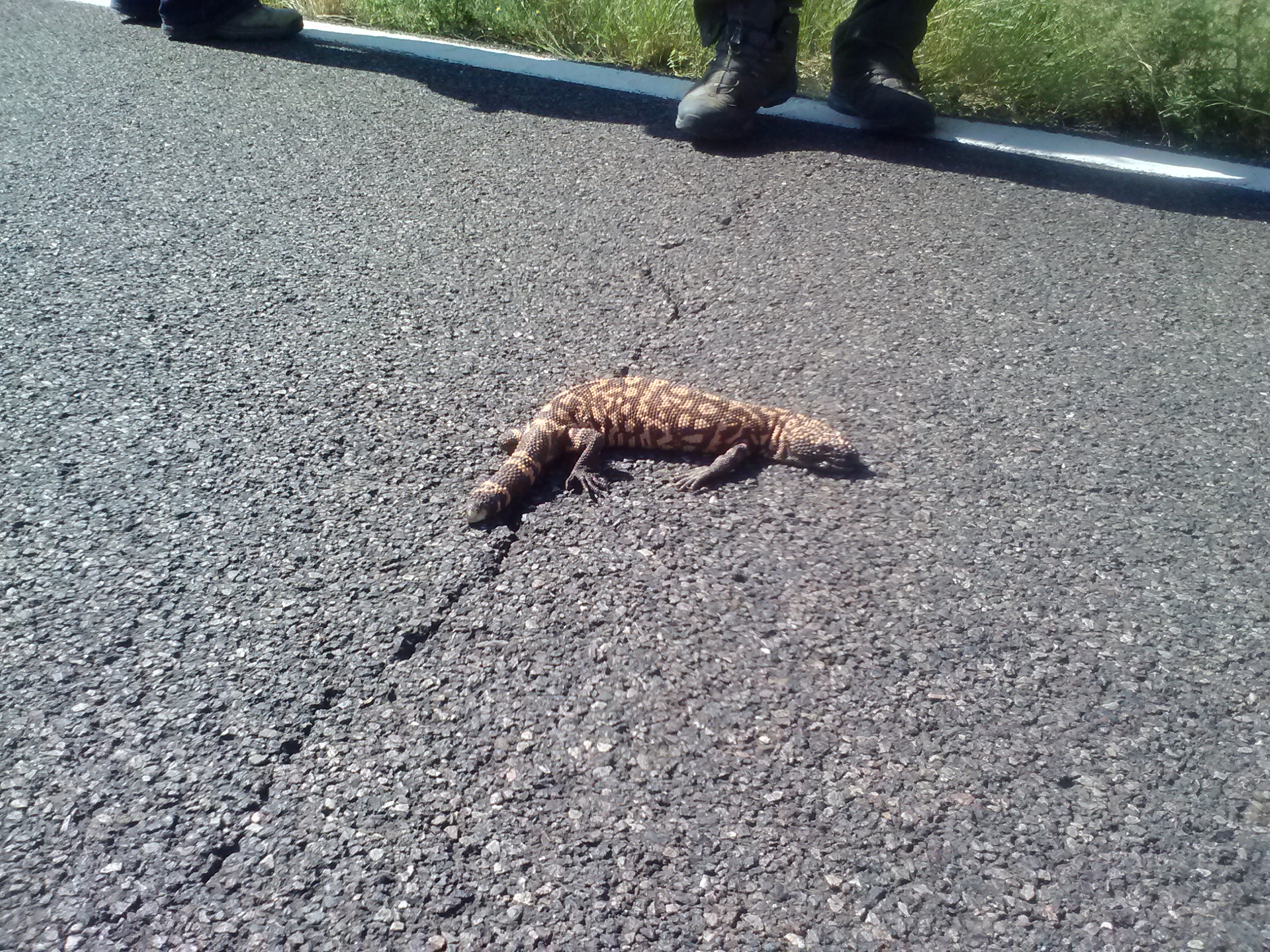
But! What they didn’t see was a Gila monster!! For those of you who don’t know what that is, it’s an extremely dangerous lizard that has lethal venom. If it bites you, you’re pretty much done…especially as far from the city as we were. This little guy was actually injured, probably run over by a car, with a couple of broken limbs, but he was still mean.

Image

Gila Monster on the road on our way to Douglas

It’s funny, because we saw this little guy on our way to our first collection site, so we made a U-turn to go back and pull-over to observe it more closely. But as we were getting ready to hit the road again, be passed by a Boarder Patrol car, and the driver looked at us quite suspiciously. We didn’t mind though, so we carried on…until one of the girls in the van turned around to talk to me and realized the boarder patrol agents had been following us with flashing lights! I don’t know how it took us to notice them, but we pulled over, and told them we were out bee hunting. We had no problem, but apparently the gila monster was right by a site that boarder patrol was focused on, and so it must have looked weird that we u-turned in a giant 12 passenger van with tinted windows, right at that location.

Anyways, we carried on to our first collection site, conveniently called “1 mile east of Douglas”. There I saw a road runner, but it ran away faster than I could pull out my camera. I also caught a nice number of bees there. After there, we continued east, until we hit “26 miles east of Douglas” which is was our second collection site. There were so many beetles on all the flowers that also had a lot of bees and wasps, so it was really tricky to try and sweep the plant and catch the bees you wanted.

After that, it was 1pm, and we started heading back to Douglas. We had lunch on the drive and made it to the town, which we then had a chance to explore on our way to the Walmart. It’s a town that has a lot of potential, but so many of the buildings are abandoned, and/or borded up, so it’s not as nice as it could be. It’s packed with Mexicans, not surprisingly since it’s only a few miles from Mexico, so it’s got a little latino flair to it. We also stopped at DQ once we were done at walmart, and got ourselves a refreshing ice cream or smoothie. Even there some of the group was collecting bees on an ornamental tree that was blooming. The staff at DQ must have thought we were crazy, beating the tree with a net. Oh well, we caught a good number of Xylocopa which were nectar robbing the flowers!

Made it back, washed and pinned my bees, ate dinner, had another lecture on bee biology; this time focused on bee nests and life history. Very interesting how bee larva adapt to survive!

Now I’m pooped, and my internet isn’t working, so I’ll post this in the morning.

Posted in Exploring new places, New Life Experiences | Tagged , , , , | Leave a comment

Bee course 2013 – And so it begins…

After almost 5 hours on a plane, 3 hours in a van, altitude change and time change, you start to feel a little … off.

I’m currently in Portal, Arizona, and just finished my first day of classes in the bee course and after just 24 hours, I have a lot to talk about!

Image

South Western Research Station in Portal Arizona

First, I’ve got to say, that Arizona is very dry, which is very different from Raleigh, and I really love it. It’s gorgeous. Nights and mornings are quite crisp, and days are nice and toasty. Here’s a picture I took this morning, before breakfast. It was so quiet, you could hear the water trickling down the little stream near where I was sitting, the birds chirping and just nature.

Anyways, before I get too much into Arizona, I have to share a story about how all the travel and jet lag and altitude change affected me. I’m sharing a room with a nice girl who’s studying in Michigan, and she’s a great roommate; quiet, sweet, considerate. So don’t get me wrong when I tell you this story.

I woke up about 4 times last night, either because doors were slamming shut, or someone’s alarm was buzzing, but throughout I remained half asleep. So, in the middle of the night, when my roommate got up, I thought I was at home and someone was breaking into my house. I was so scared that my mind was telling me, ‘dont’ move! maybe this person won’t know you’re here!’. Well, I was so scared that the feeling of my fast beating heart woke me up and I realized I was just dreaming. By the time she came back into the room, I had already dozed off, and thought it was my dog coming into my room. Anyways, I was tired, and I slept a lot, so this morning I was re-energized and ready for the bee course.

We started out the day with introductions from the professors and students. Everyone here is working on very interesting projects. We then learned about bee morphology, and it was as though I was looking at a bee for the very first time. We were given a beautiful Protandrena bee as our ‘model’ and I was able to see body parts and details I was never able to find. I definitely learned a lot!

Then we got to learn about bee sampling techniques, and I was amazed to hear about all the different ways people sweep bees and get them into their kill jars. We had lunch and then went back into the lab to apply what we learned on bee morphology. Once we were done reviewing all the parts on our sample bee, we were told to go out, collect a bee, and pull out its mouthpart and it’ genitalia if it was male. It felt like I was violating my little bee, but I did it.

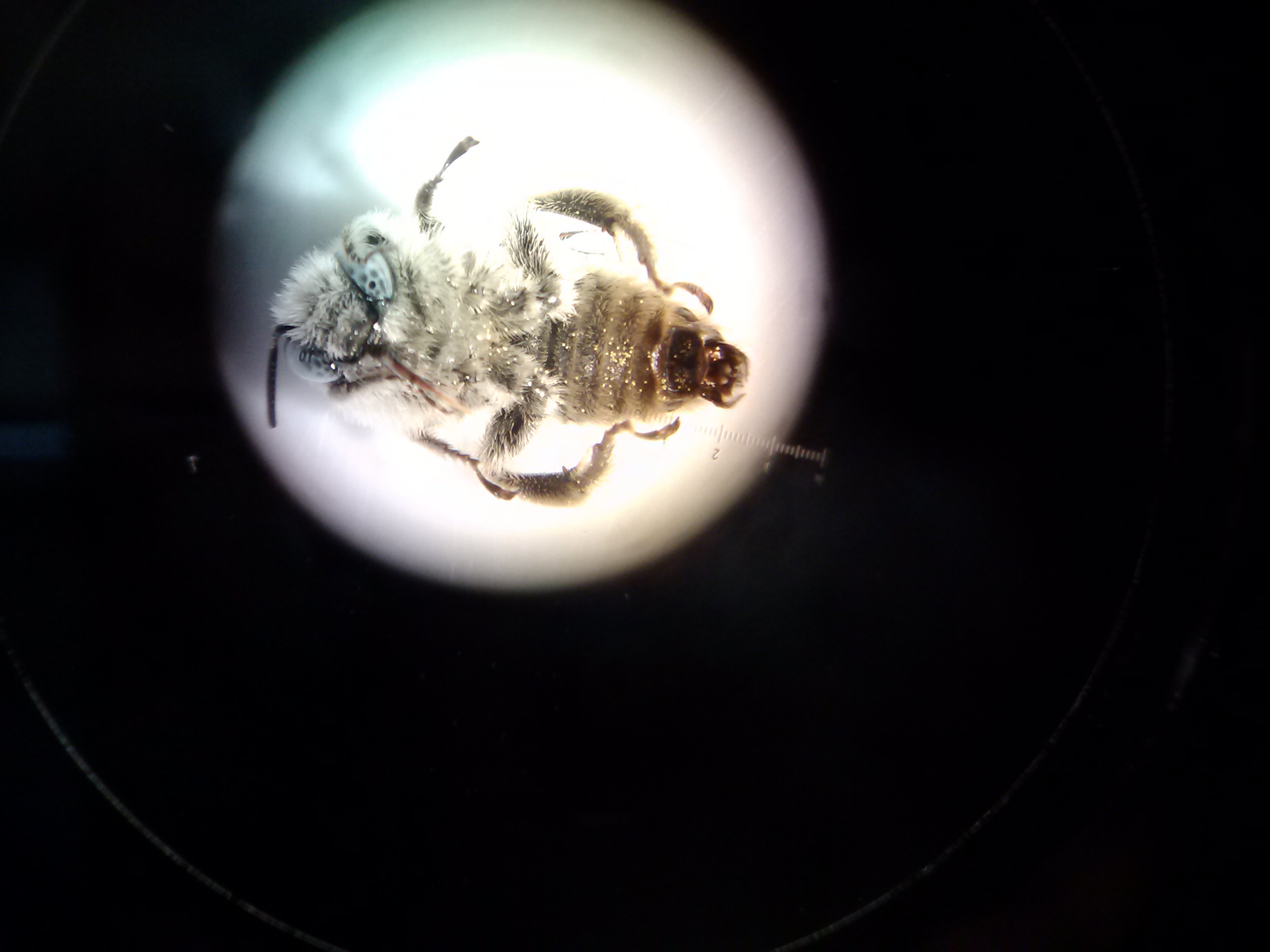
Mandible and genitalia of male bee

Mandible and genitalia of male bee

We then had happy/social hour. I made myself one gin and tonic and I was done! Altitude really affects your body! We had dinner, followed by “bee biology in an hour” where we were given an overview of local bee biology and ecology.

Tomorrow we’re heading out for our first field trip! I’m excited! Fingers crossed that I don’t get bitten by a rattle snake, or attacked by a mountain lion or harassed by drug mules. 🙂

Posted in Exploring new places, New Life Experiences | Tagged , , , , | Leave a comment